Poetry at 35 Miles an Hour: The Burma-Shave Signs
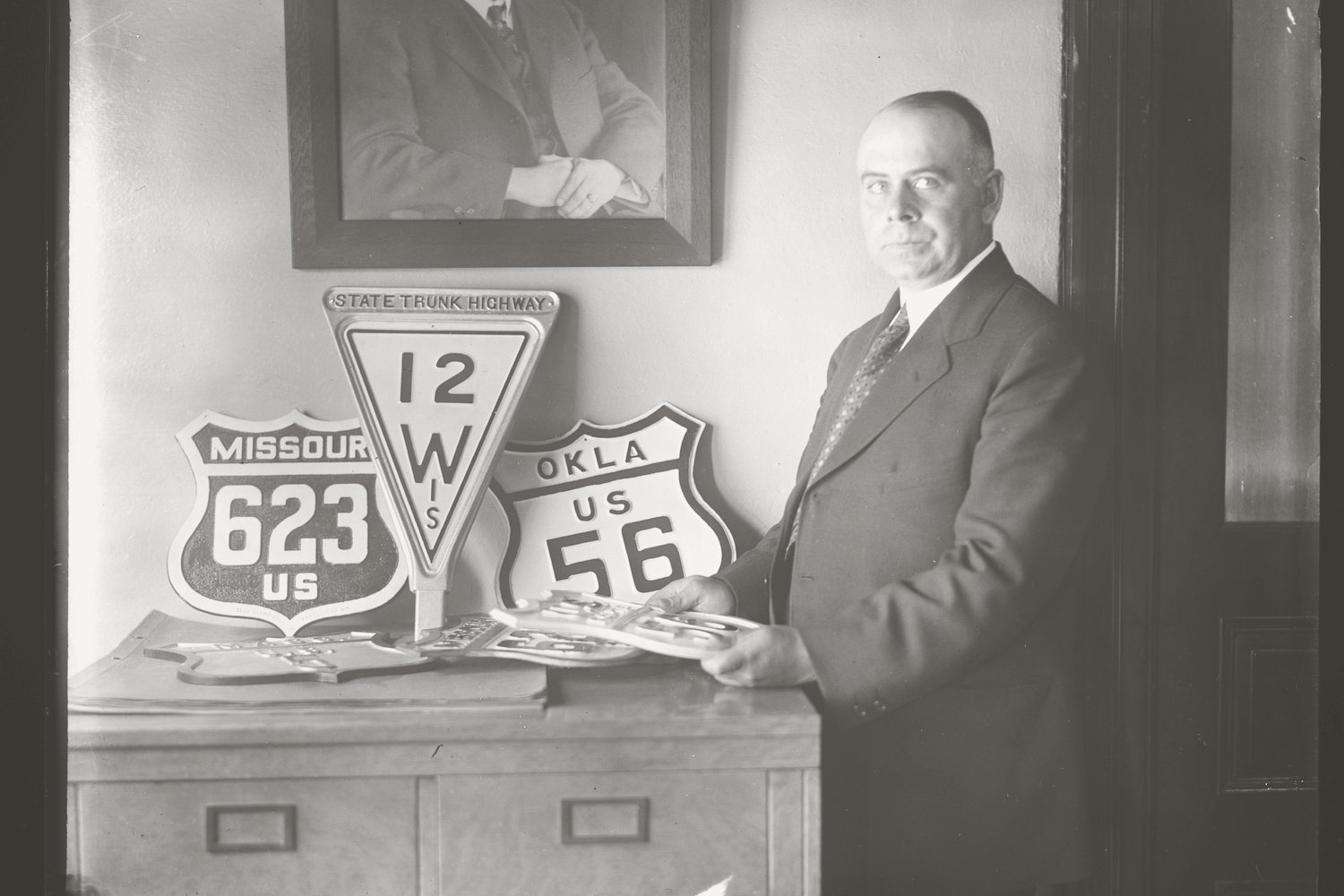
In 1926, little signs began appearing along a Minnesota highway. Drive past and a poem unfolded, one sign at a time. The last one always named a shaving cream.
A poem in six roadside signs
Five stories from exactly 100 years ago, each told through money
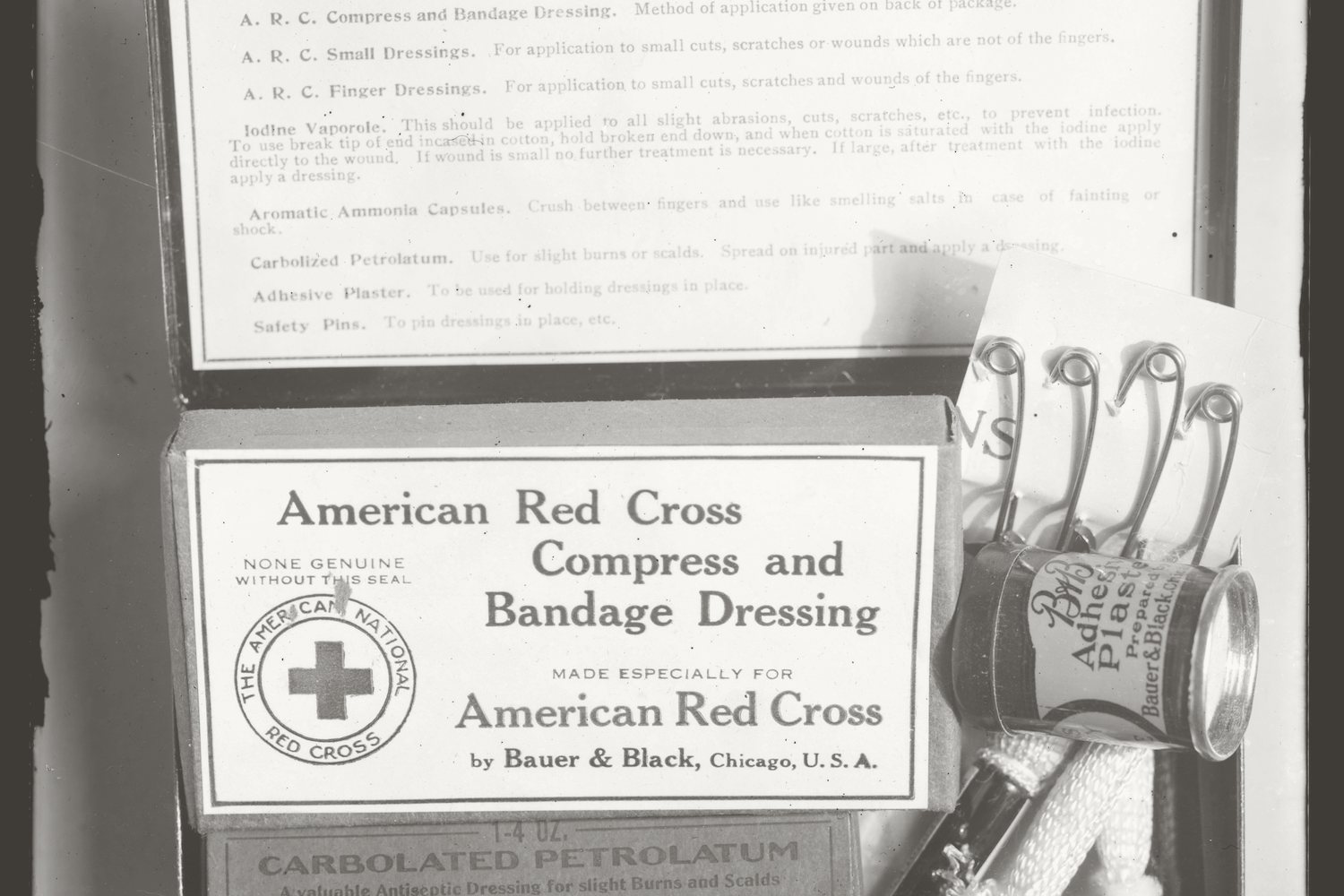
She kept cutting her fingers in the kitchen. He wanted to make something she could put on by herself. That little strip of tape with gauze on it found its way into nearly every American home.
In 1926, little signs began appearing along a Minnesota highway. Drive past and a poem unfolded, one sign at a time. The last one always named a shaving cream.
After the war, America stamped one word on a coin: PEACE. In 1926 people carried these heavy silver dollars in their pockets. Today the silver inside is worth about 39 times its face value.
As road trips caught on, an architect had an idea: a place where drivers could park right next to their room. It opened in California at the end of 1925, and it gave the world a new word: motel.
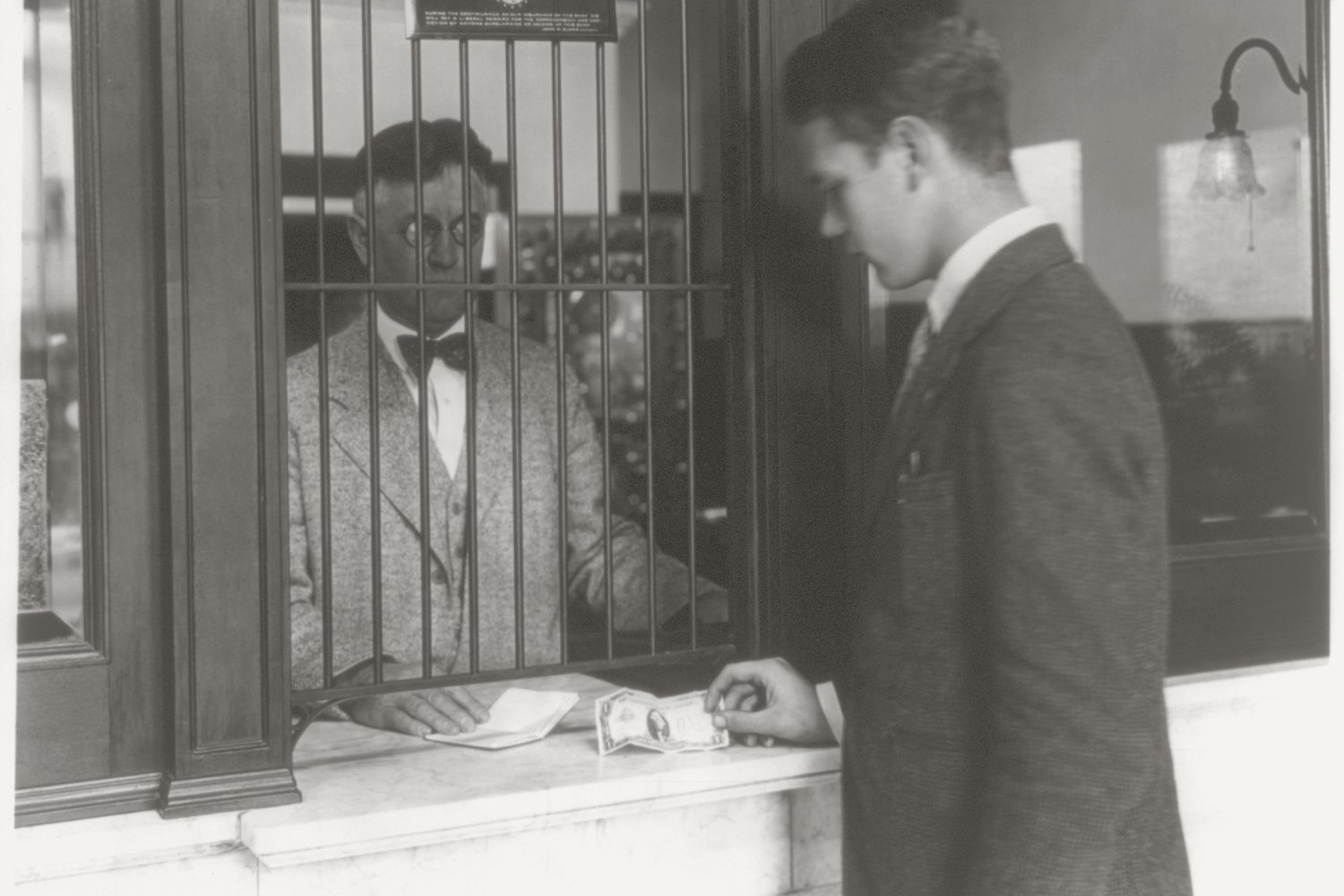
In November 1926, bank checks arrived in homes across America — a year of small weekly savings, ready just in time for Christmas shopping. You could start with a penny a week.
1891–1982 · Rebuilt a burned-out business side by side with his brother
In 1910 an eighteen-year-old stepped off the train in Kansas City, Missouri, with two shoeboxes of picture postcards. He couldn't afford a horse cab to the YMCA. He sold postcards to shops on foot, and soon his brother Rollie came to work beside him; they named the business Hall Brothers. As postcards faded, they read what people wanted next — cards sent in envelopes — and began selling valentines and Christmas cards. On January 11, 1915, fire destroyed their office and stock, leaving a safe and $17,000 in debt. Alone, he might have quit. Instead the brothers held on to each other and turned the disaster around: if they had lost everything selling other people's cards, they would make their own. They bought printing presses and began printing cards that carry feelings from one person to another. That small family firm became Hallmark. "Poverty for me was a tremendous spur," he wrote in his memoir. "It actually gave me an advantage over a lot of folks when I was starting out."
On a Saturday in 1926, people looked after one another with a bandage, a poem by the road, and a penny put away each week.— the Wink High Desk