The Weekend Is Born: The Year Ford Gave Back Saturday
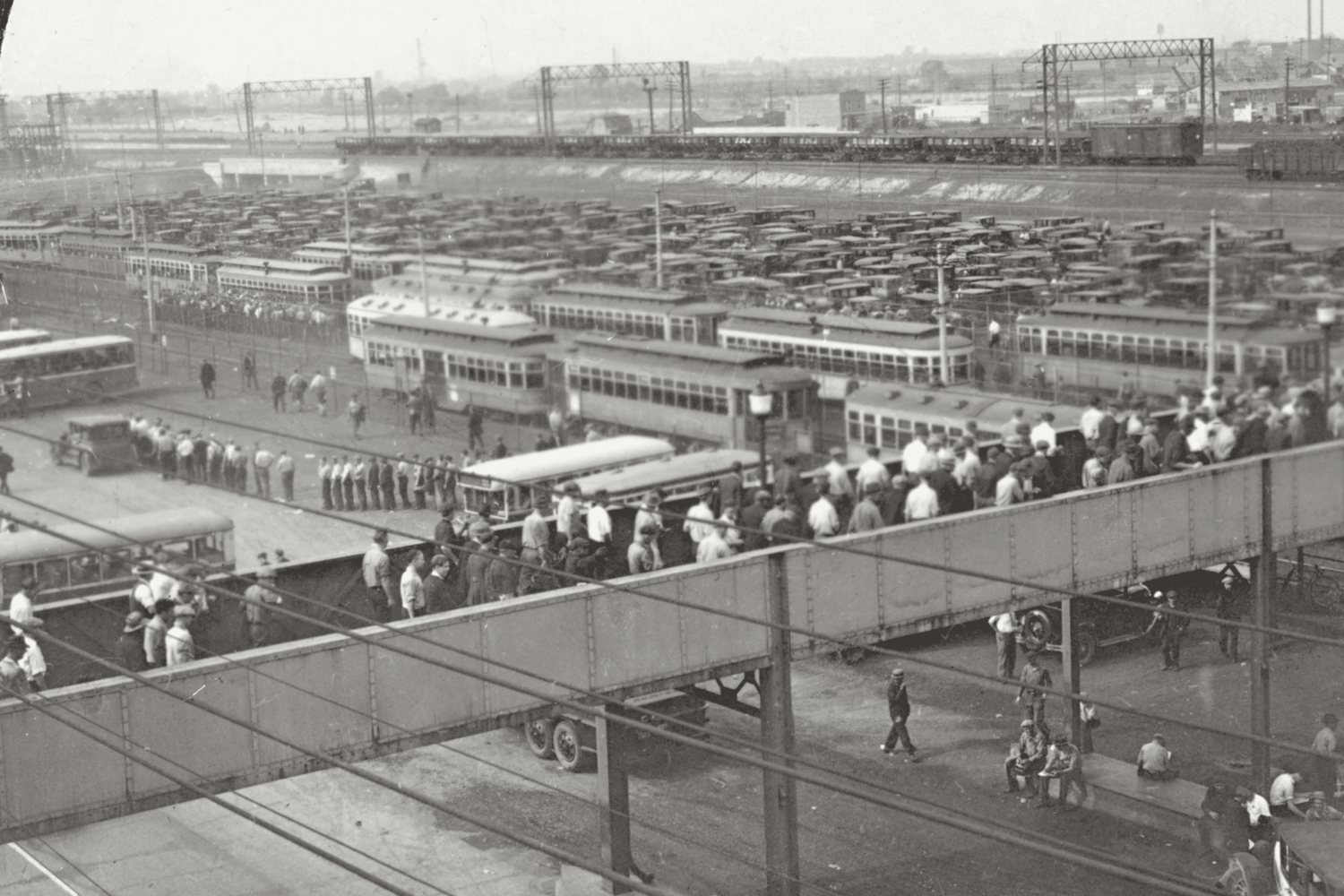
In the fall of 1926, America's biggest carmaker announced that its plants would work five days a week, eight hours a day. The weekend had arrived.
Six days → five days, eight hours
Five stories from exactly 100 years ago, each told through money
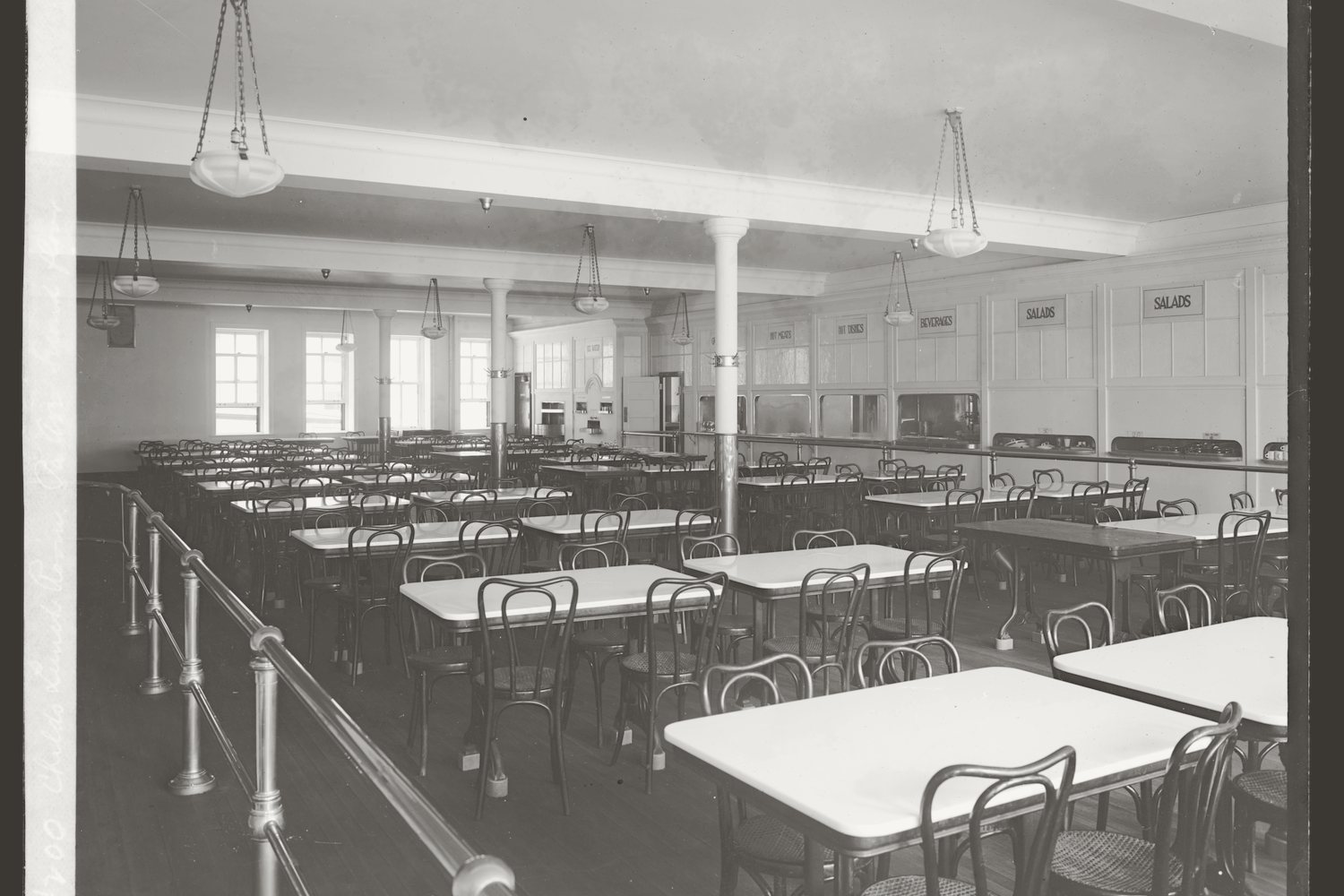
In 1926 the most filling lunch in America cost one coin. A cook and a promoter from Kansas built little white restaurants that sold 5-cent hamburgers — and people bought them by the sack.
In the fall of 1926, America's biggest carmaker announced that its plants would work five days a week, eight hours a day. The weekend had arrived.
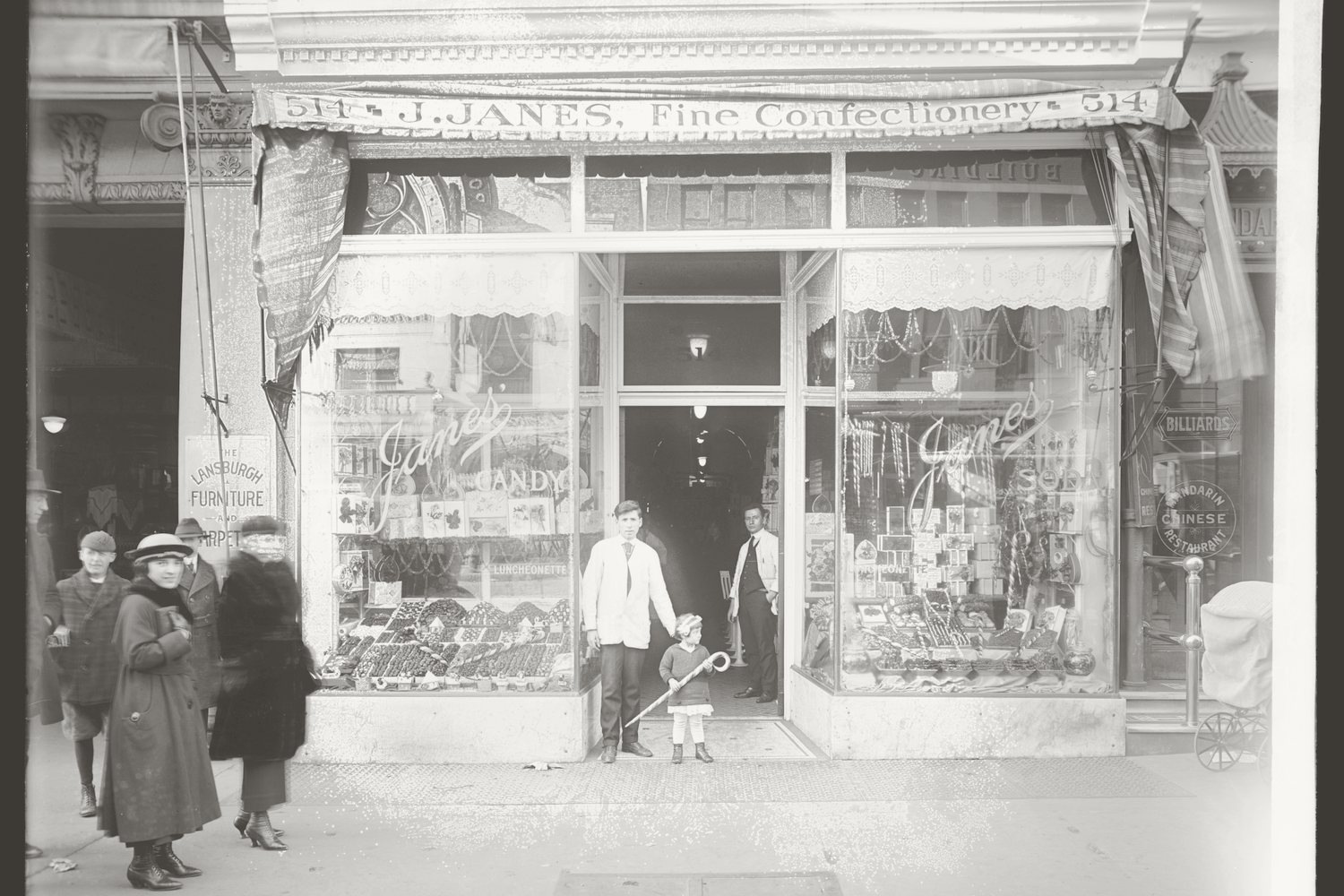
In 1926 the penny was a child's pocket money — a coin worth agonizing over at the candy-store window. Ninety-nine years later, America stopped making it.
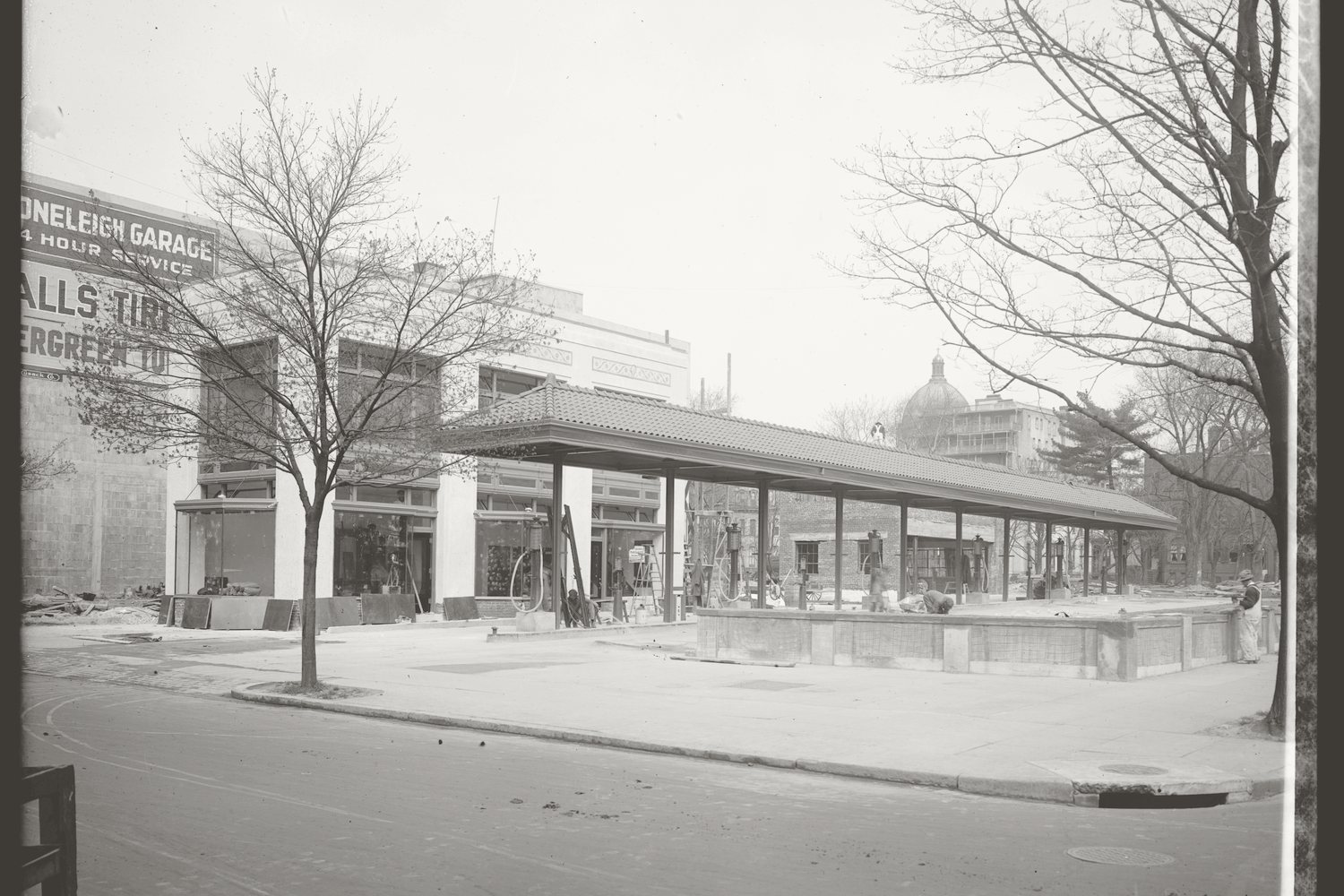
In 1926 the average gallon of gasoline cost 24 cents. It sounds wonderful — until you turn it into today’s money.
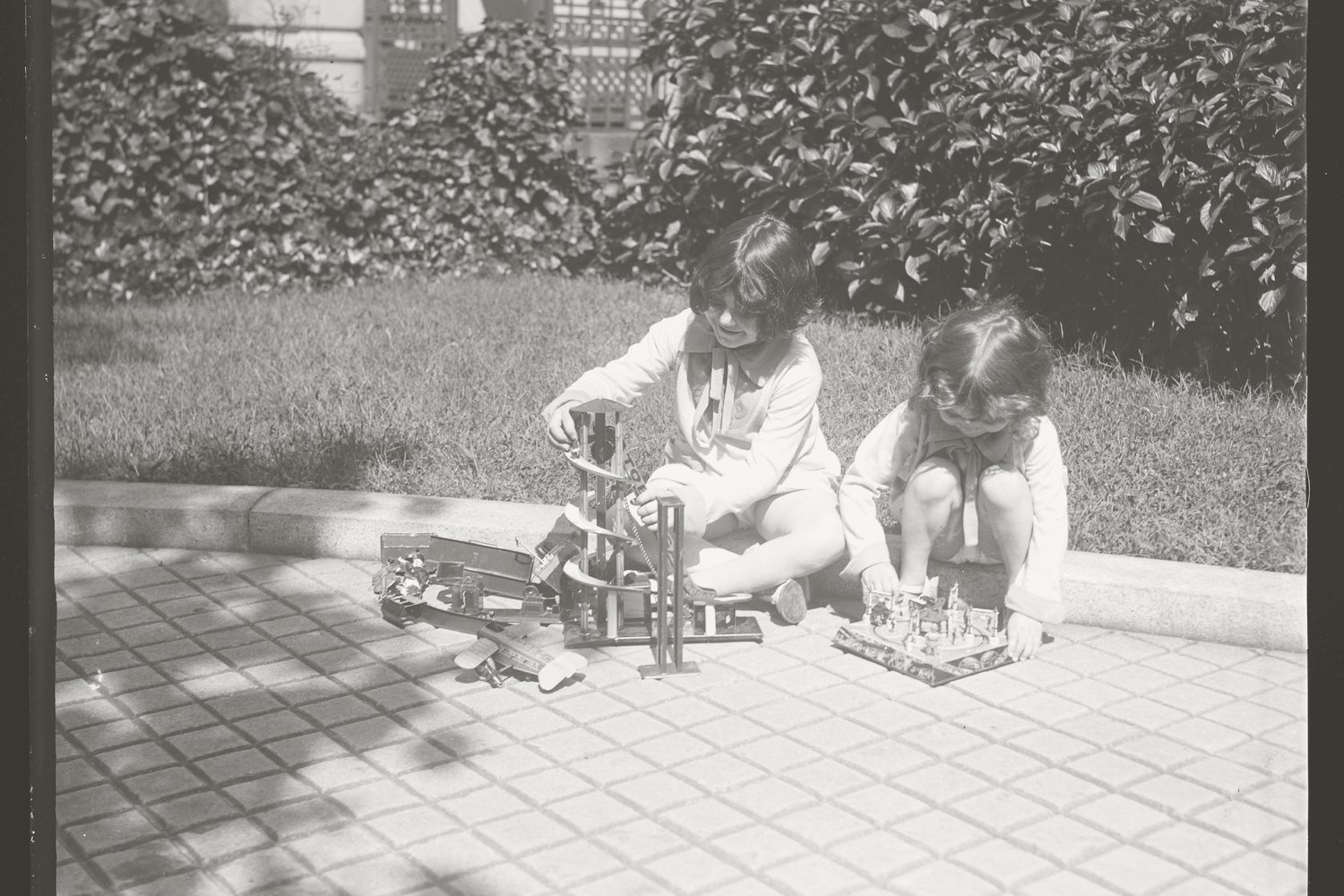
A son who followed his architect father to Tokyo got an idea on the building site: notched little logs that lock together into a cabin. It became one of the toys American children wanted most in the 1920s.
1877–1934 · Gave up the oars for love — and later his company too
Born in Norway, he came with his family to a Wisconsin farm at about five. His schooling was short, but at sixteen he went to the city and taught himself engineering by working in one machine shop after another. The person who changed his life was a woman named Bess. One hot summer day on Okauchee Lake he rowed across to fetch her ice cream; the trip back was so long that, the story goes, the ice cream melted. Instead of rowing harder, he changed the question: could a boat go without rowing at all? Wanting to reach the one he loved faster, he built a motor that clamped onto the back of a rowboat, and in 1907 the first practical outboard was born. He married Bess and founded his company in 1909. When she fell ill in 1913, he sold the thriving business to stay by her side, choosing a person over success. In 1919 he came back with a lighter motor, and by 1926 his engines hummed across America's weekend lakes. They spent their lives together; Bess died in 1933, and he followed her the next year.
On a Friday in 1926, workers got their Saturday, a child clutched a penny, and a man gave up his oars because the ice cream melted.— the Wink High Desk