Friday, November 6, 2026100 years ago today: Saturday, November 6, 1926한국어

The Good News of 100 Years Ago

Money · Gold · Oil · Patents
Gold, 1 oz (1926)$20.67Eggs, a dozen48.5¢Milk, a quart14¢Ford Model T Runabout$360Route 662,448 mi$1 in 1926 = today≈ $19Gold today, 1 oz$4,043
Front Page › The Day's Economy
The Day's Economy

Poetry at 35 Miles an Hour: The Burma-Shave Signs

In 1926, little signs began appearing along a Minnesota highway. Drive past and a poem unfolded, one sign at a time. The last one always named a shaving cream.
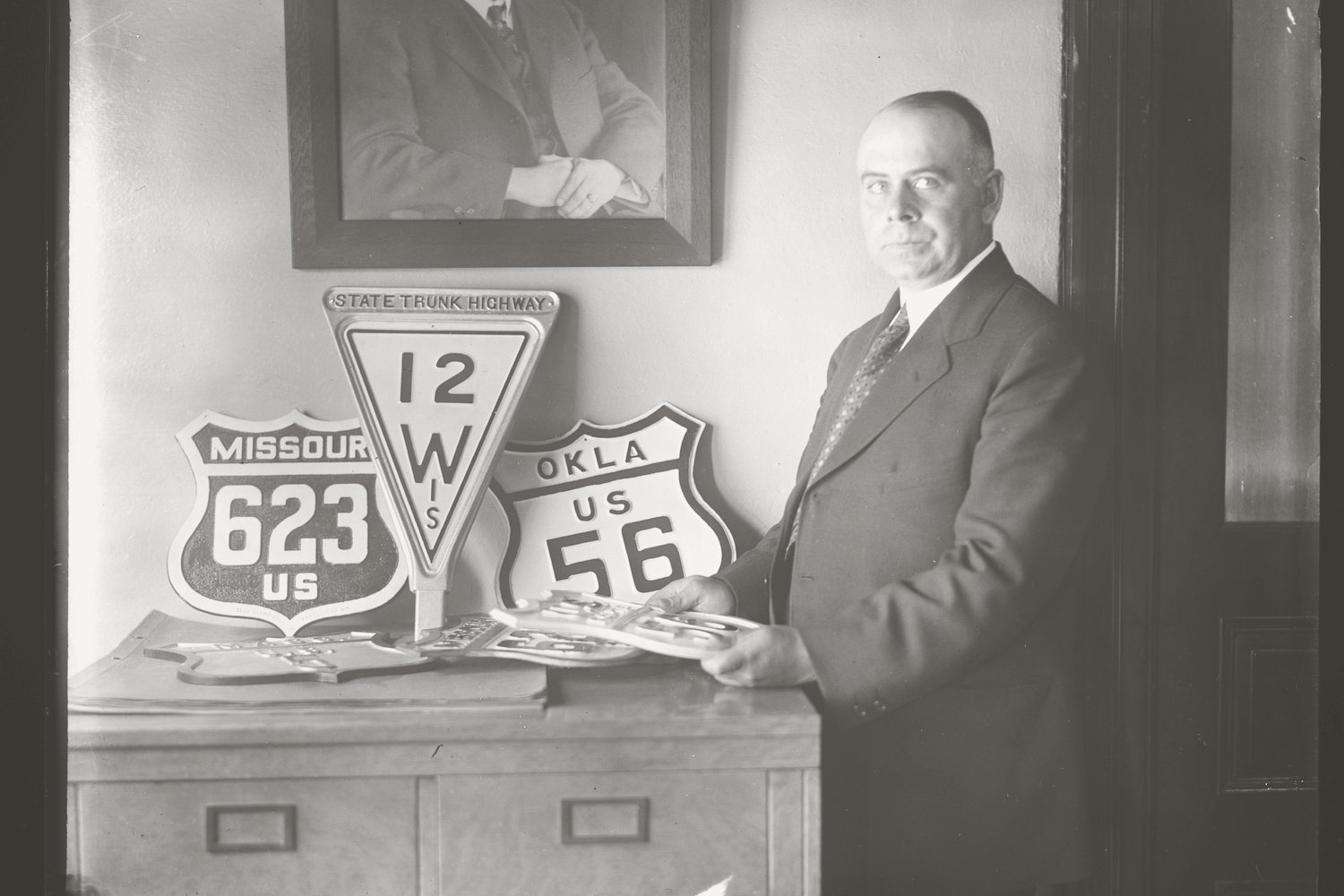
A man in an office displays new U.S. highway route signs
Showing off the new U.S. highway route markers, 1925. Once roads had numbers, the roadside became a new kind of billboard. National Photo Co. / Library of Congress
First signs1926
Last signs1963

In 1925, a small Minneapolis company introduced a brushless shaving cream called Burma-Shave. The trouble was that nobody had heard of it, and there was no money for big newspaper ads.

The answer was the road. As cars multiplied, Americans spent hours behind the wheel. In 1926, the first set of signs went up along U.S. Highway 65 near Lakeville, Minnesota.

A poem in six parts

Each set was six small signs spaced along the road. Read them as you drove by and you had a little poem, with "Burma-Shave" always on the last. A 1929 set read: "Every shaver / Now can snore / Six more minutes / Than before / By using / Burma-Shave."

Burma-Shave signs

  • Shaving cream introduced: 1925, Minneapolis
  • First signs: 1926, U.S. Highway 65, Minnesota
  • Format: six small signs read in sequence
  • At its peak: America's No. 2 brushless shaving cream
  • Last signs: 1963

Later the signs carried safety messages too. A 1939 set warned: "Hardly a driver / Is now alive / Who passed / On hills / At 75 / Burma-Shave." People drove on to read the next verse, and Burma-Shave became the second-best-selling brushless shaving cream in the country.

The lesson, 100 years laterAn ad can be a gift. Instead of nagging people to buy, Burma-Shave gave a long, dull drive a laugh. People remember the name that made them smile.

Sources

  1. Burma-Shave (Wikipedia: 1925 launch, 1926 first signs on U.S. 65, six-sign format, 1929 and 1939 verses, 1963 end)
  2. Library of Congress: man with highway signs (1925)

Dollar conversions use the U.S. Bureau of Labor Statistics CPI-U (1926 annual average 17.7; September 2026: 336.94), a factor of about 19.
More from this edition

Gold & Markets

A Dollar Coin That Said "PEACE"

After the war, America stamped one word on a coin: PEACE. In 1926 people carried these heavy silver dollars in their pockets. Today the silver inside is worth about 39 times its face value.

A silver dollar → ≈ $38.87 of silver now
Oil & Industry

A Hotel Where You Park at the Door: The Motel Is Born

As road trips caught on, an architect had an idea: a place where drivers could park right next to their room. It opened in California at the end of 1925, and it gave the world a new word: motel.

$1.25 a night · the first motel
Patents & Inventions

An Invention Born at His Wife's Fingertips: The Band-Aid

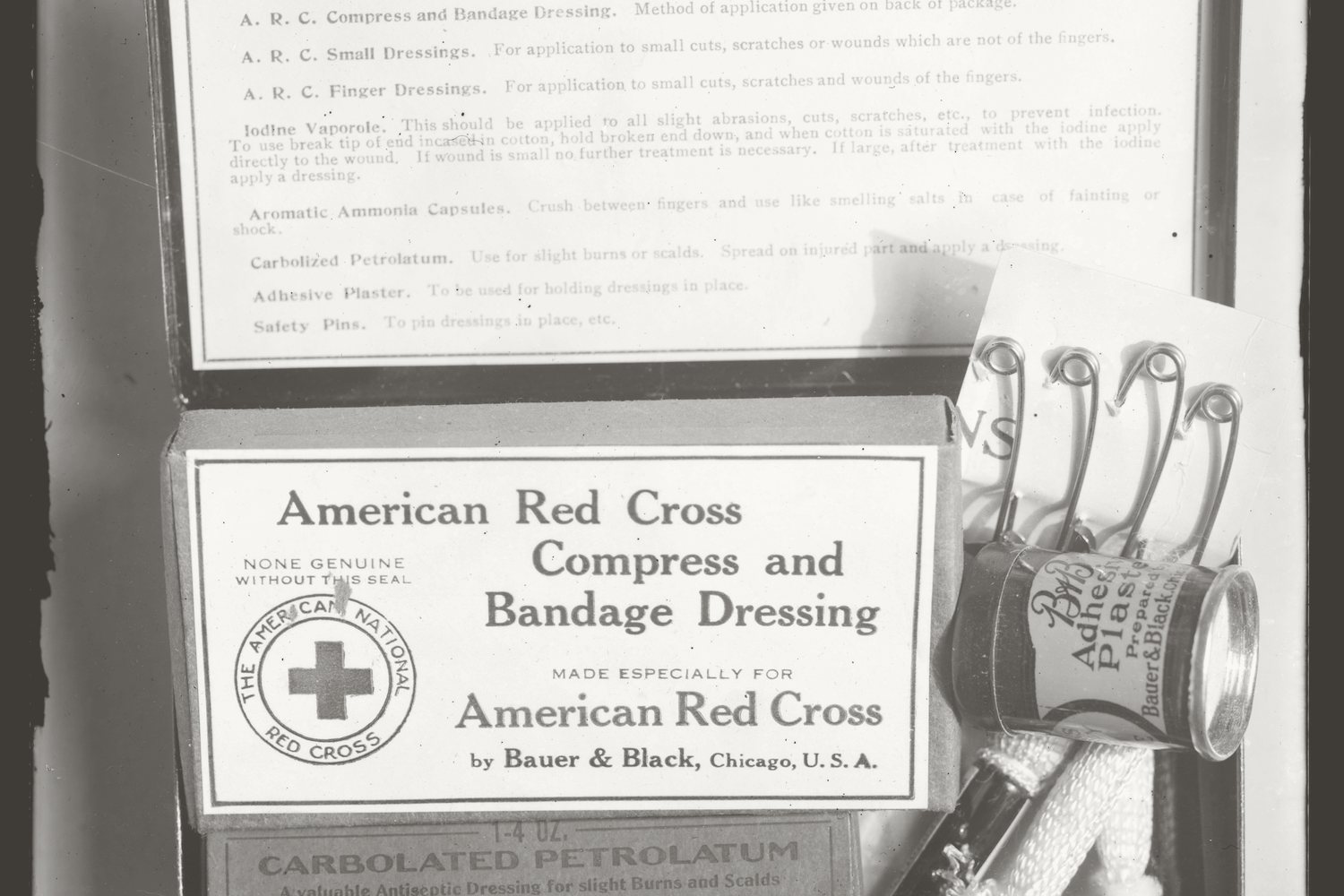
She kept cutting her fingers in the kitchen. He wanted to make something she could put on by herself. That little strip of tape with gauze on it found its way into nearly every American home.

A bandage made for his wife
Main Street Wallet

Gift Money That Arrives in November: The Christmas Club

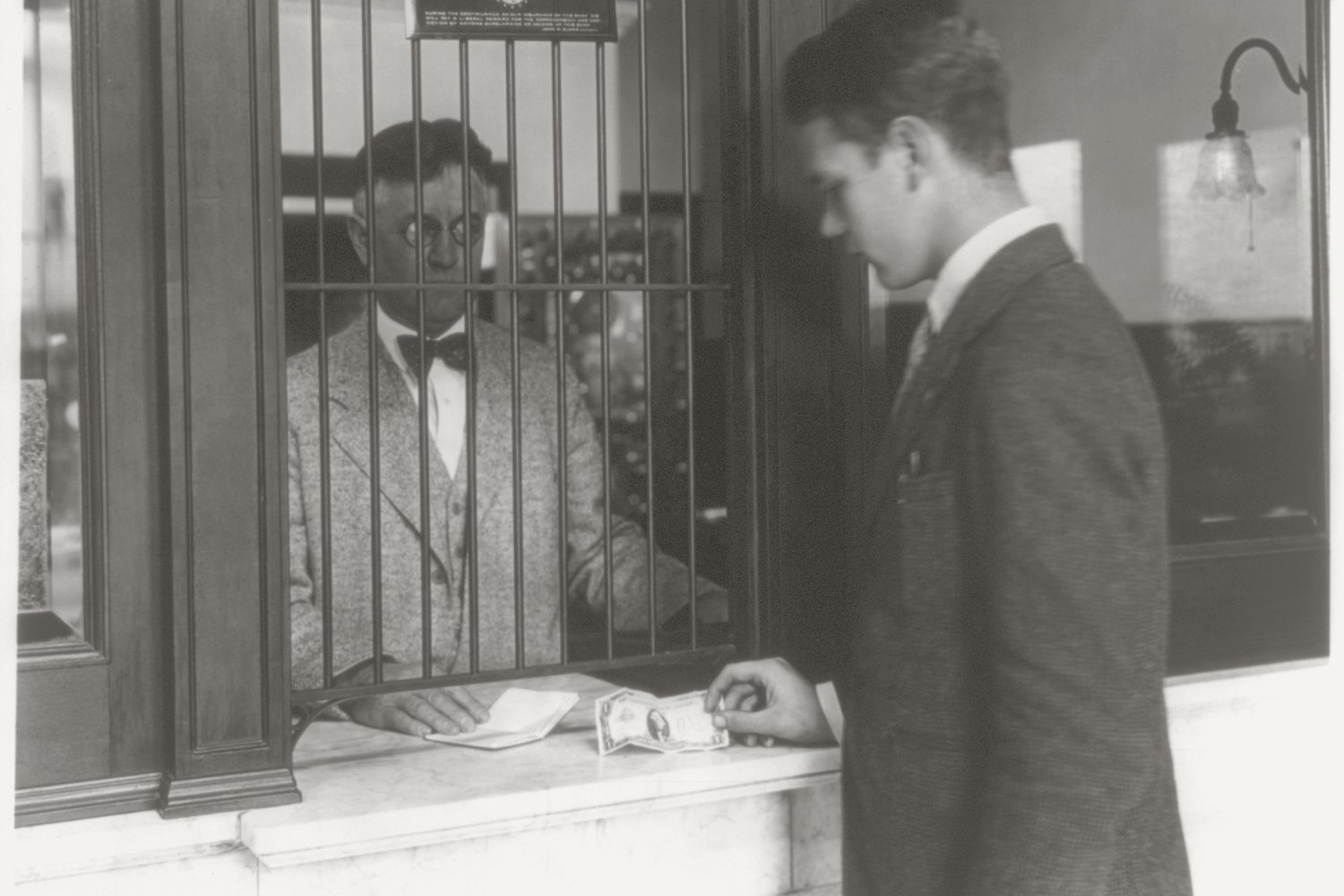
In November 1926, bank checks arrived in homes across America — a year of small weekly savings, ready just in time for Christmas shopping. You could start with a penny a week.

A little each week → gift money in November