Gift Money That Arrives in November: The Christmas Club
In November 1926, bank checks arrived in homes across America — a year of small weekly savings, ready just in time for Christmas shopping. You could start with a penny a week.
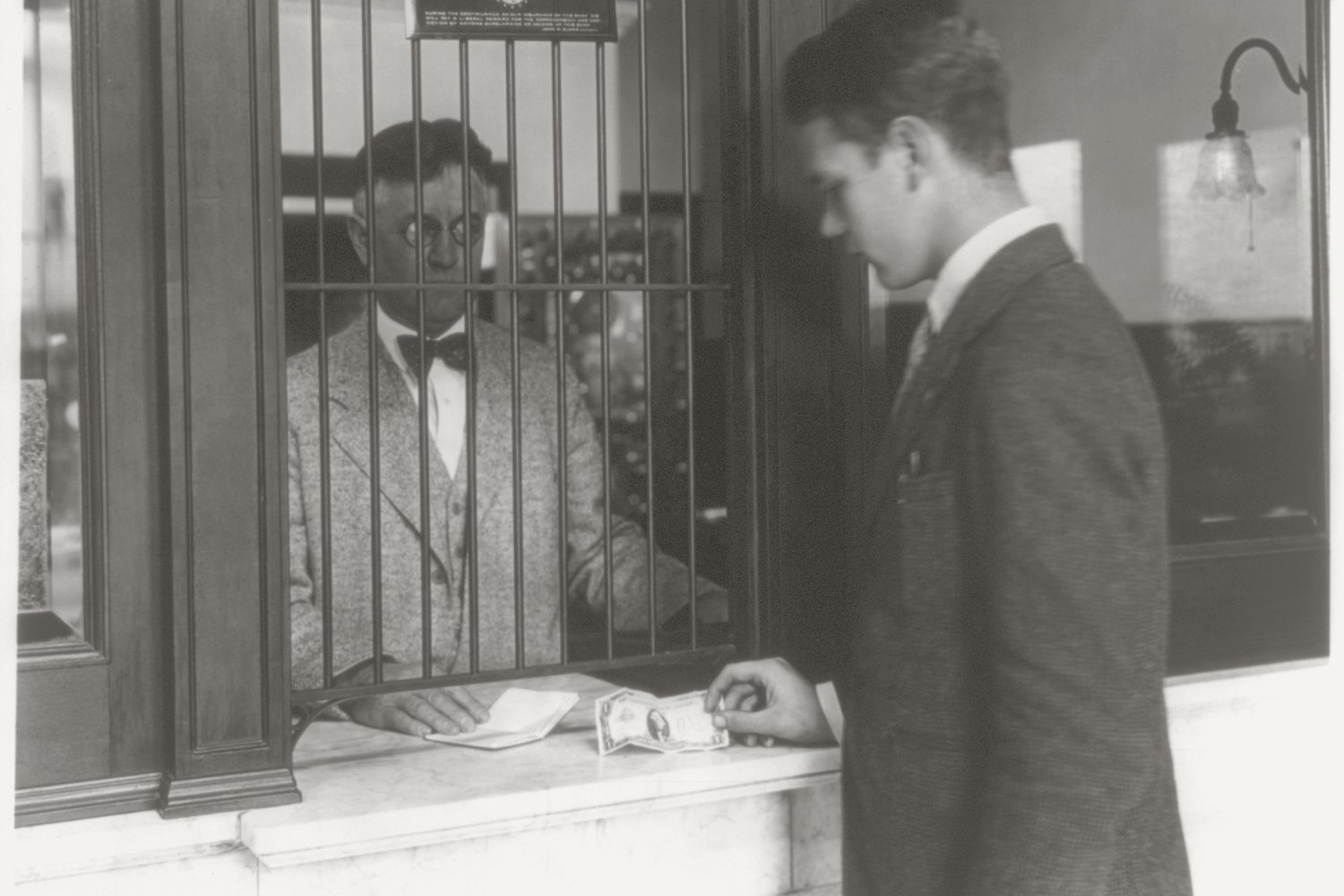
In 1909, the Carlisle Trust Company in Pennsylvania started a new kind of savings account called the Christmas Club. You opened it in December and put in a set amount every week for a year. The next November you received your savings as a check — just in time to buy Christmas presents.
The rules were simple: deposits were usually spread over fifty weeks, and the money was hard to take out early. You could start with as little as a penny a week. Banks promised to "make savers out of spenders."
Saving as a family
In the 1920s, banks everywhere advertised their Christmas Clubs to families, teachers, churchgoers and office workers. Parents opened accounts in their children's names to teach them to save. In November 1926, the fruit of all that saving was arriving at the door.
The Christmas Club
- Started: 1909, Carlisle Trust Company, Pennsylvania
- Account opened: December
- Deposits: usually every week for 50 weeks
- Payout: November
- Minimum: as little as a penny a week
Today we can buy gifts with a card and pay later. The Christmas Club worked the other way around: save first, then spend. So there was no bill in January.
Sources
- Library of Congress blog: Saving for the Holidays the Old-Fashioned Way (Carlisle Trust 1909, fifty weeks, November checks, a penny a week)
- Library of Congress: young man depositing at a bank teller’s window (about 1925–1930)
Dollar conversions use the U.S. Bureau of Labor Statistics CPI-U (1926 annual average 17.7; September 2026: 336.94), a factor of about 19.