Lunch for a Nickel: The 5-Cent Hamburger
In 1926 the most filling lunch in America cost one coin. A cook and a promoter from Kansas built little white restaurants that sold 5-cent hamburgers — and people bought them by the sack.
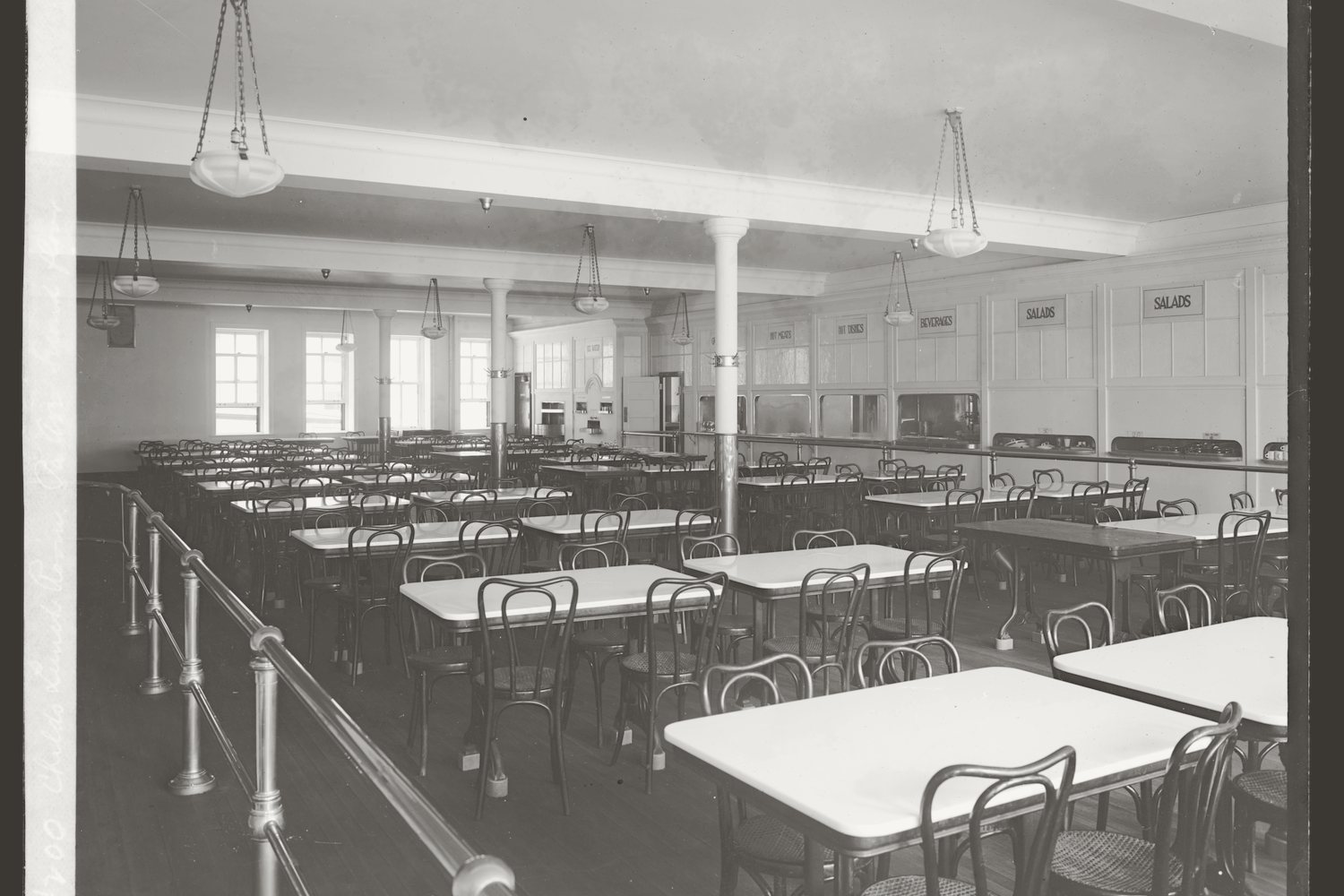
Until the early 1920s, the hamburger had a bad name. People were suspicious of ground meat; who knew what went into it? A Wichita, Kansas, cook named Walt Anderson wanted to change that.
In 1916 he opened a stand with three stools and a sign: "Hamburgers, 5¢." He had fresh beef delivered twice a day and ground it right in front of his customers. In 1921 a promoter named Billy Ingram joined him, and they called their restaurants White Castle. White stood for cleanliness; a castle stood for strength and permanence.
Selling cleanliness
The buildings were white porcelain steel, easy to scrub, with the grill and counter in plain view. Workers wore clean white shirts, aprons and caps. Customers were told to "buy 'em by the sack," and they did. By the mid-1920s the chain was opening in a new city every few months — Omaha, Kansas City, St. Louis.
The nickel hamburger
- First stand: 1916, Wichita (three stools)
- First White Castle: March 1921, Wichita
- Price: 5¢ (about 95¢ today)
- Beef: delivered twice a day, ground in front of customers
- Today: often called the first American fast-food chain
100 years later
Almost everything we know about fast food — identical restaurants, the same taste everywhere, an open kitchen, a paper sack to go — started in these little white buildings. In 1926, a working man could buy a hot lunch with a single coin.
Sources
- KCUR: White Castle created the playbook for American fast food (Anderson, 1916 stand, 1921 first restaurant, 5 cents)
- Library of Congress: Childs lunch room, Washington, D.C. (about 1920)
Dollar conversions use the U.S. Bureau of Labor Statistics CPI-U (1926 annual average 17.7; September 2026: 336.94), a factor of about 19.