The Weekend Is Born: The Year Ford Gave Back Saturday
In the fall of 1926, America's biggest carmaker announced that its plants would work five days a week, eight hours a day. The weekend had arrived.
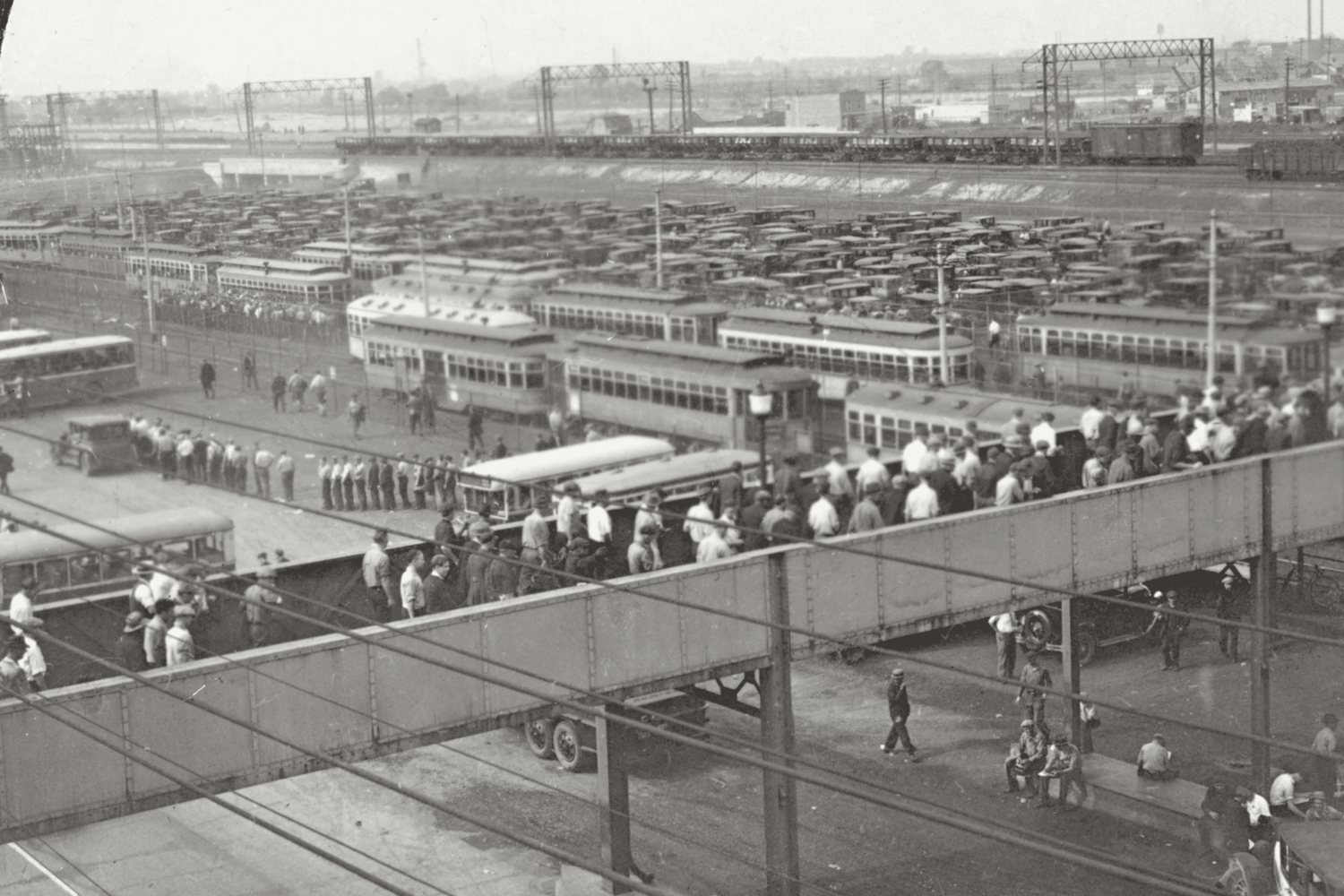
In 1926, most American factory workers still worked on Saturday. Sunday was the only day off — church in the morning, the week's chores in the afternoon, and it was over.
At the end of September 1926, Ford's announcement hit the newspapers: Ford plants would work five days a week, eight hours a day, with no overtime. The company paper, Ford News, wrote on October 15 that "five working days of eight hours" was now the standard for its U.S. employees. Some departments had already been working that way since summer.
"More time to spend with his family"
Ford first floated the idea in 1922, saying every man needs more than one day a week for rest and recreation, and more time with his family. There was arithmetic in it too: people with a free day drive somewhere — and people who drive buy cars.
How the weekend arrived
- Ford first announces the plan: 1922
- Five-day week announced for Ford plants: September 1926
- The new standard: 8 hours × 5 days = 40 hours
- 40-hour week in federal law: Fair Labor Standards Act of 1938 (40 hours from 1940)
100 years later
Part of the reason we look forward to Friday evening is this 1926 announcement. Other companies followed, and twelve years later it became law.
Sources
- Library of Congress blog: 40 Hours, 5 Days (Ford 1926 announcement, Ford News Oct. 15, 1926, 1922 plan, Fair Labor Standards Act)
- Library of Congress: employees leaving the Ford Motor Company factory, Detroit
Dollar conversions use the U.S. Bureau of Labor Statistics CPI-U (1926 annual average 17.7; September 2026: 336.94), a factor of about 19.