24 Cents a Gallon: Was Gas Really Cheaper Then?
In 1926 the average gallon of gasoline cost 24 cents. It sounds wonderful — until you turn it into today’s money.
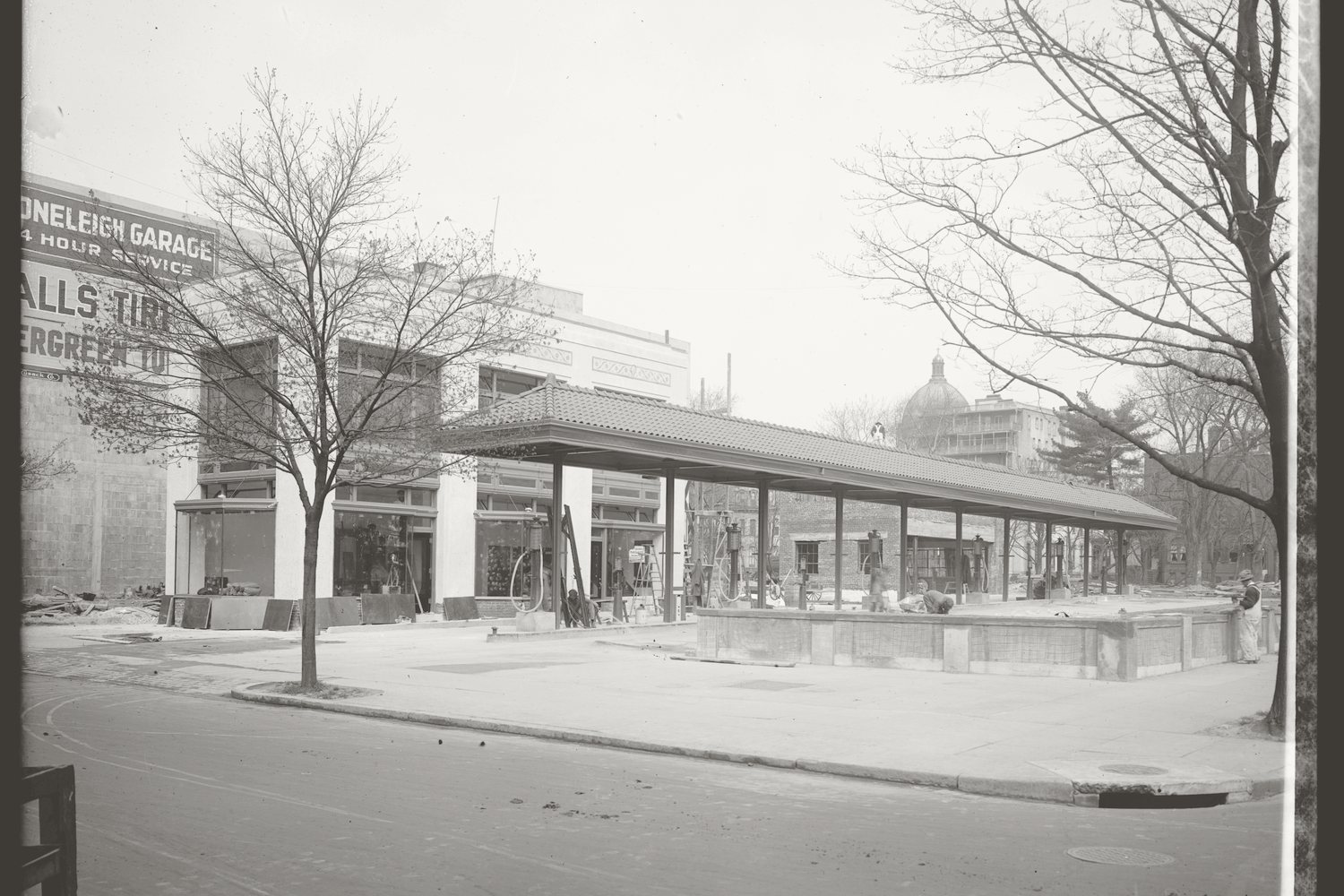
In 1926, America's roads were filling up with cars. Highways were getting numbers, and filling stations were appearing on corner after corner, where an attendant came out to pump your gas.
That year the average price of gasoline was 24 cents a gallon. Today the national average is a little over $4. On the face of it, gas costs seventeen times more than it did a century ago.
In today's money
But a 1926 dollar was worth far more than a dollar today. Adjusted for inflation, 24 cents in 1926 is about $4.46 in 2026 money. On November 2, 2026, AAA's national average was $4.17. In real terms, gasoline is a little cheaper now.
A gallon, then and now
- 1926 average: 24¢ a gallon
- In 2026 dollars: about $4.46
- U.S. average, Nov. 2, 2026: $4.17
- And today's cars go much farther on that gallon
Compared with a 1926 Model T, today's cars also travel farther and in far more comfort on the same fuel. Over a hundred years, the real price of gas barely moved — and the car got much better.
Sources
- InflationData.com: average gasoline price by year (1926: $0.24; $4.46 in August 2026 dollars; data EIA/BLS)
- AAA: national average $4.1694 (Nov. 2, 2026)
- Library of Congress: filling station, 17th and L Streets, Washington, D.C. (1921)
Dollar conversions use the U.S. Bureau of Labor Statistics CPI-U (1926 annual average 17.7; September 2026: 336.94), a factor of about 19.