What One Dollar Bought in 1926 — and Why Your Grocery Bag Is a Small Miracle
A hundred years ago, a dollar filled a basket with eggs, milk and sugar. Put those prices into today’s money and a happy surprise appears: most of that basket costs far less now.
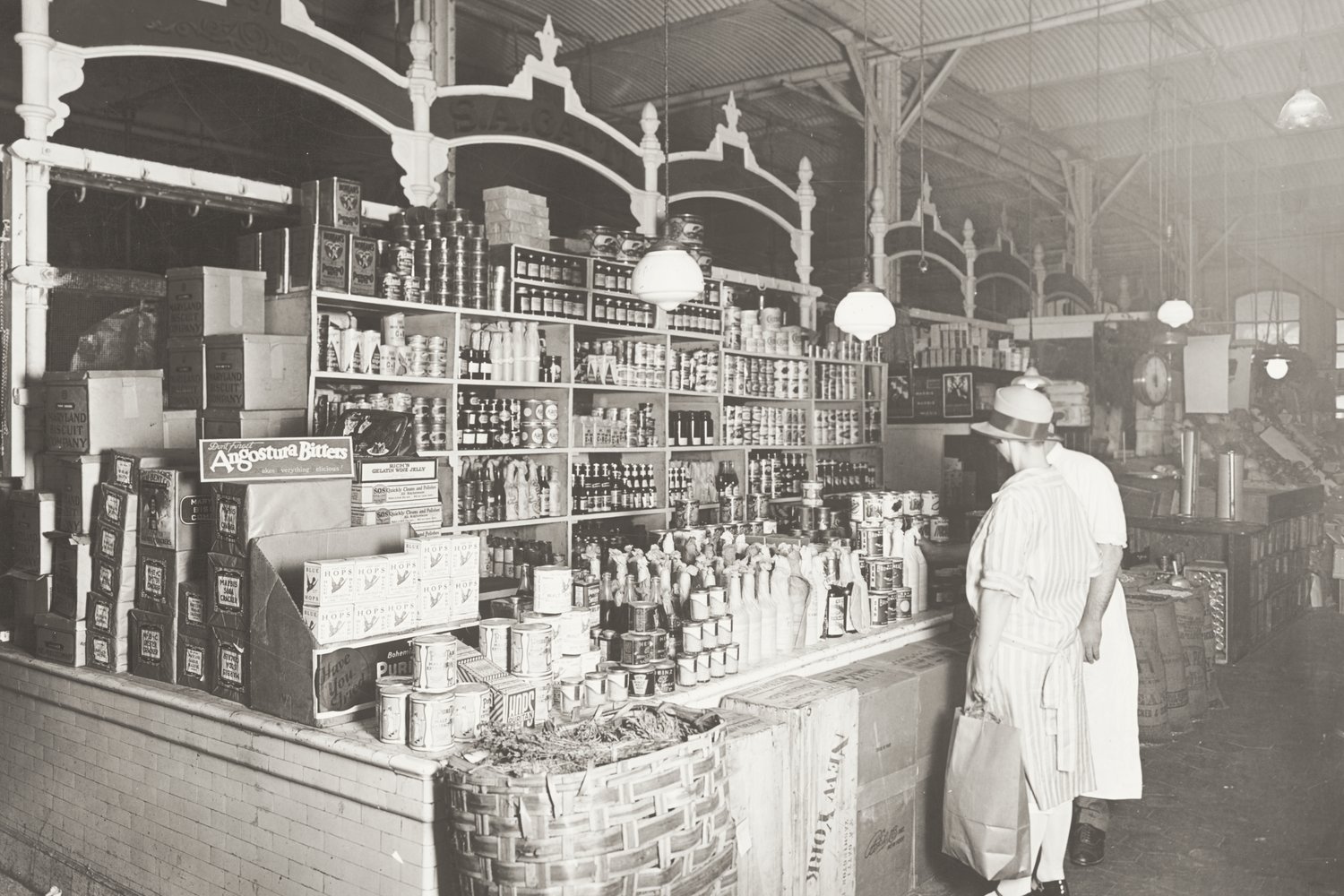
Picture a Saturday morning in 1926. A shopper walks to the corner grocery with a single dollar bill. What comes home in the paper bag?
The U.S. Bureau of Labor Statistics kept careful records of exactly that. Its 1927 report on retail food prices lists the average price of everyday groceries across the country for 1926 — and how much of each one a dollar could buy.
What $1 bought in 1926
- Eggs: about 2 dozen (48.5¢ a dozen)
- Fresh milk: about 7 quarts (14¢ a quart)
- Sugar: about 14½ pounds (6.9¢ a pound)
- Flour: about 16½ pounds (6¢ a pound)
- Potatoes: about 20 pounds (4.9¢ a pound)
- Butter: almost 2 pounds (53.1¢ a pound)
Cheap? Not quite
Those prices sound tiny, but a 1926 dollar was a lot of money. Prices in general have risen about 19 times since then, so one dollar in 1926 was worth roughly $19 today. To compare fairly, we have to translate the old prices into today’s money.
When we do, something wonderful shows up. In today’s dollars, a dozen eggs in 1926 cost about $9.20. In September 2026, the U.S. average was $2.27. A gallon of milk then — four quarts at 14 cents — was worth about $10.70 in today’s money; today it averages $4.11. A pound of butter: about $10.10 then, $3.96 now. Flour: $1.14 then, 55 cents now.
Then (in today’s dollars) and now
- Eggs, a dozen: about $9.20 → $2.27
- Milk, a gallon: about $10.70 → $4.11
- Butter, a pound: about $10.10 → $3.96
- Sugar, a pound: about $1.31 → $1.02
- Flour, a pound: about $1.14 → $0.55
- Potatoes, a pound: about $0.93 → $0.99 (almost the same)
How the basket got lighter on the wallet
No single invention did it. Farm tractors, better seeds, refrigerated rail cars, home refrigerators, paved roads and big modern stores all made food cheaper to grow, keep and carry. The everyday groceries that once took a real bite out of a family’s week now cost a fraction of what they did.
Not everything fell. Potatoes cost about the same as they did, and a good steak costs more today than the 1926 sirloin did. Products have changed too — today’s milk, flour and meat are sold in different grades and packages. But for the staples of the breakfast table, the century-long story is clear: the basket got bigger and the bill got smaller.
Sources
- U.S. Bureau of Labor Statistics, Bulletin 445: Retail Prices, 1890 to 1926 (1927), Table 5
- BLS average price data, September 2026 (U.S. city average), as compiled by USA Cost of Living
- U.S. Bureau of Labor Statistics: CPI average price data
Dollar conversions use the U.S. Bureau of Labor Statistics CPI-U (1926 annual average 17.7; September 2026: 336.94), a factor of about 19.