Buy Now, Pay Later Is 100 Years Old: How 1926 Families Drove Home in Cars They Paid for Monthly
In 1926, a family did not need $380 in the bank to own a Ford. A down payment and a year of monthly bills put cars, radios and washing machines into millions of homes.
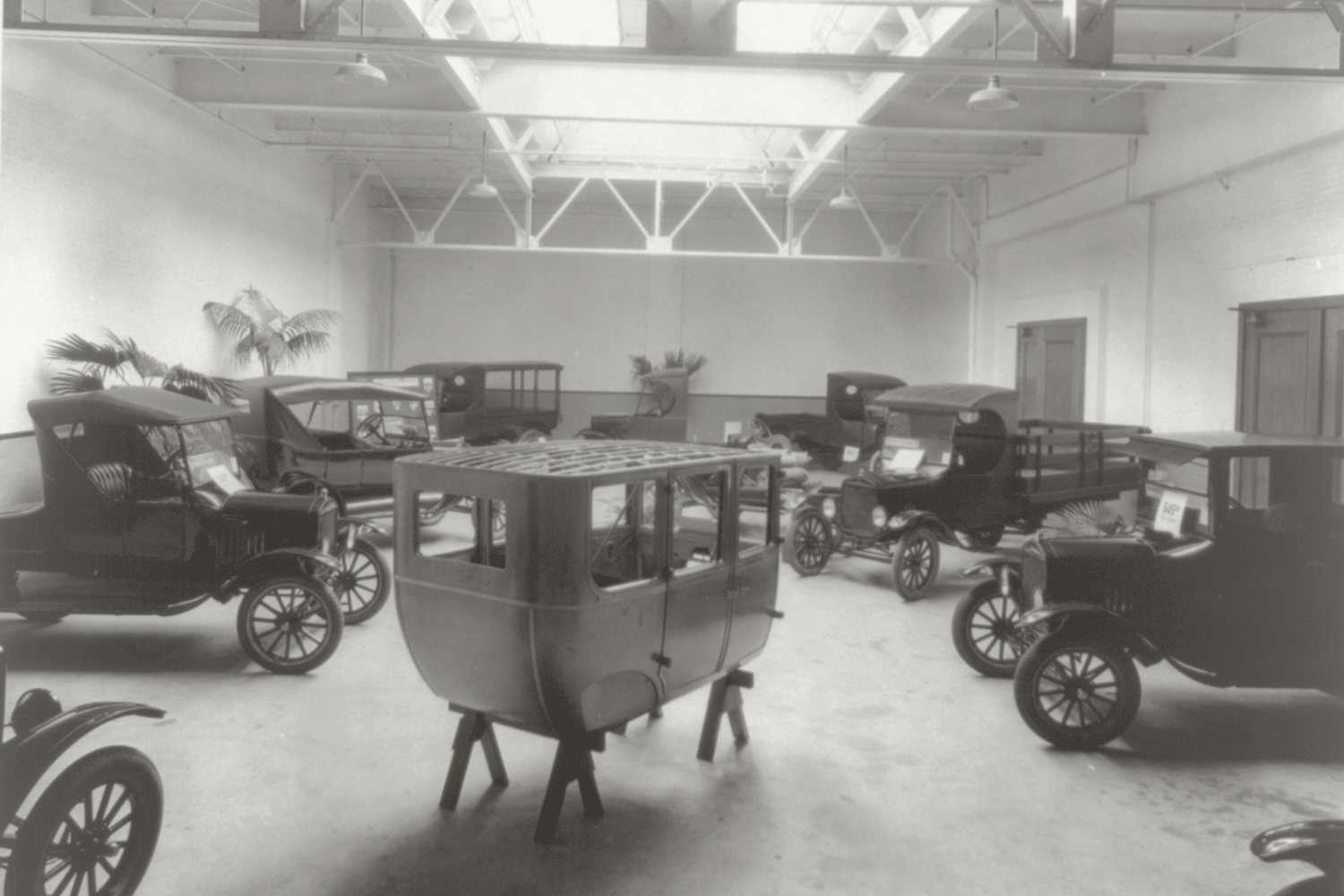
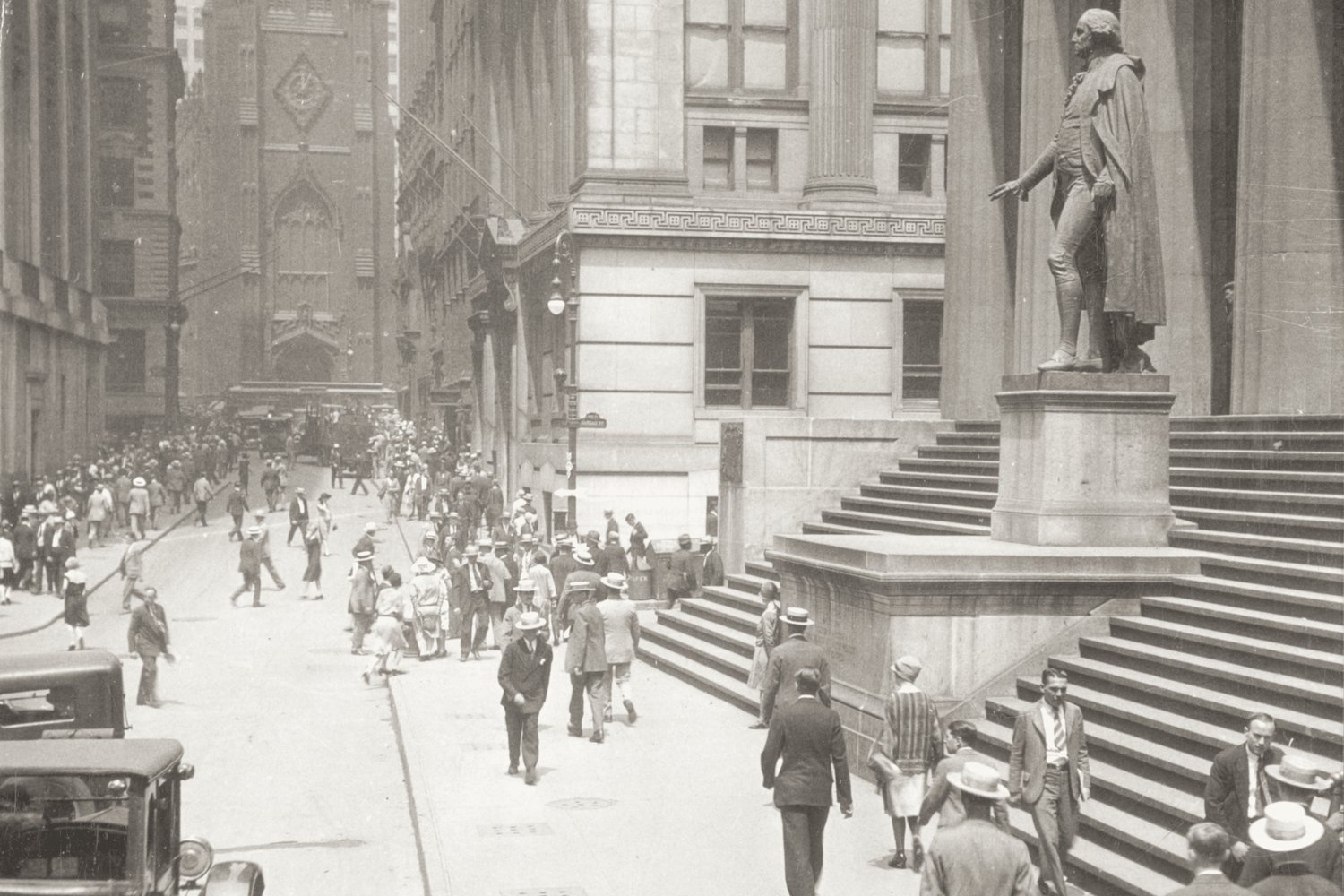
On November 2, 1926, American voters went to the polls in the middle of a boom. Factories were busy, wages were steady, and something new was sitting in the driveway or by the living-room window: a car, a radio, an electric washing machine. Many of those families had not saved up the full price first. They were paying for it month by month.
Buying "on time" — on the installment plan — was the great consumer invention of the 1920s. It let a family enjoy a car today and pay for it out of the next year's wages.
How the deal worked
Car companies built finance arms to make it easy. General Motors set up the General Motors Acceptance Corporation, GMAC, at the end of the 1910s to lend to car buyers through its dealers. By the middle of the 1920s, dealers and finance companies had settled on a standard deal for a new car: about one-third down, and the rest paid off over twelve months.
Here is what that meant for a 1926 Ford Model T Touring car, listed at $380:
A 1926 car on the installment plan
- List price: $380 — about $7,200 in today's money
- One-third down: about $127 (≈ $2,400 today)
- Balance: about $253, paid over 12 months
- Monthly payment: a little over $21, plus finance charges — roughly $400 a month in today's dollars
Ford, which had long preferred cash, tried its own path. Its 1923 Weekly Purchase Plan let customers put aside $5 a week with a local dealer until they had paid enough to drive away. More than 300,000 Fords were sold that way in two years.
Cars, radios and everything in between
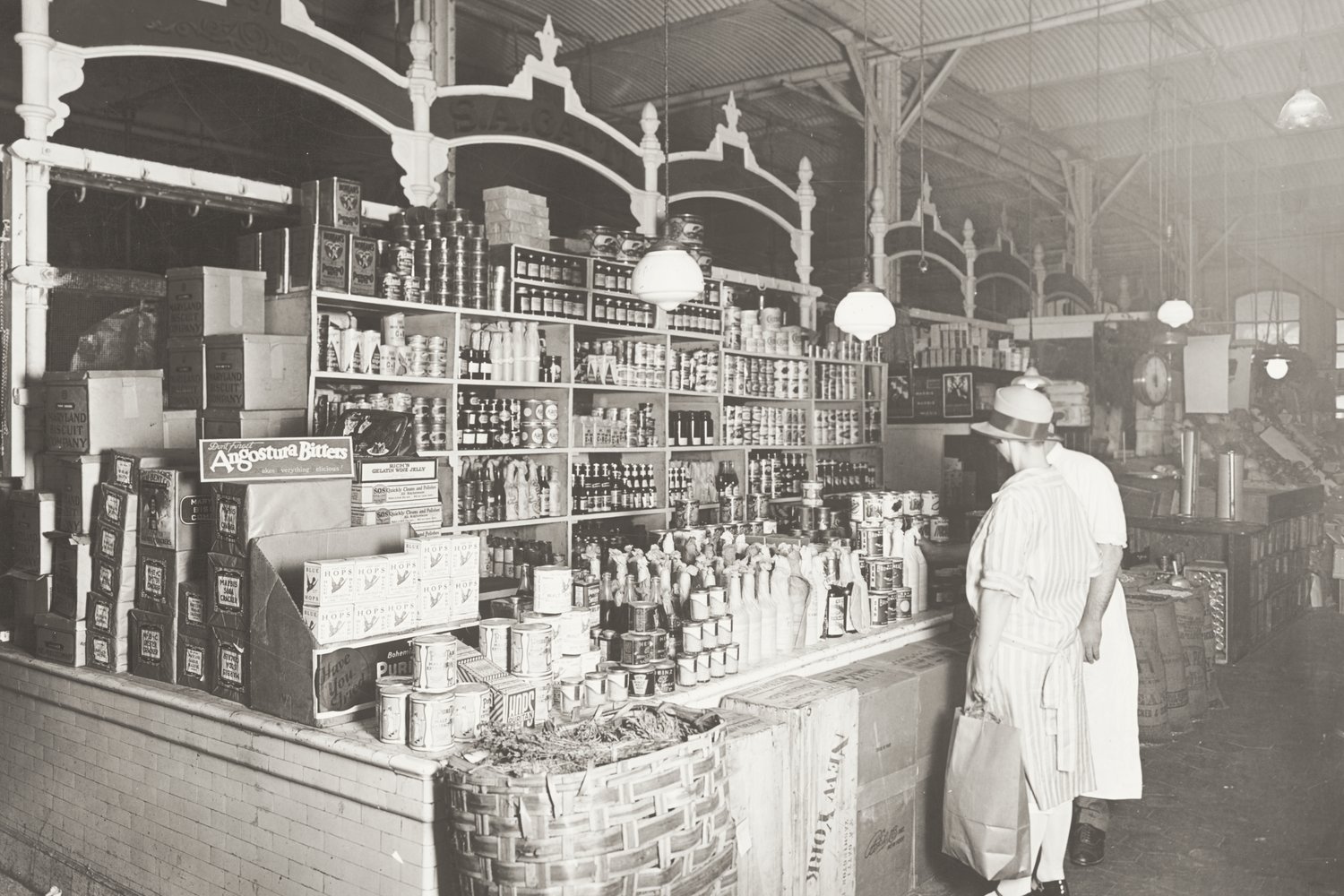
Estimates from the period put the share of cars bought on time at somewhere between two-thirds and three-quarters. The idea spread quickly to pianos, phonographs, radios, furniture and household appliances. By 1930, most of the big-ticket goods Americans bought — and more than two-thirds of all automobiles — were bought on the installment plan.
Not everyone cheered. Bankers and preachers worried that families were mortgaging their futures. In 1927 the Columbia University economist Edwin R. A. Seligman published a two-volume study, The Economics of Instalment Selling, that looked hard at the numbers. He concluded that, used sensibly, installment credit was mostly a good thing: it let working families buy durable goods that made their lives better, years earlier than they could have by saving alone.
Then and now
A century later, the same idea is everywhere — car loans, store cards and the "pay in four" buttons at online checkouts. The tools are new; the bargain is the same one a 1926 car buyer made: enjoy it now, and promise part of tomorrow's paycheck.
Sources
- Marketplace: Autos spurred the credit boom (April 17, 2009)
- James M. Flammang, Chapter 4: "Easy" Payments — installment terms and the Ford Weekly Purchase Plan
- Edwin R. A. Seligman, The Economics of Instalment Selling (1927), library record
- Martha L. Olney, Buy Now, Pay Later: Advertising, Credit, and Consumer Durables in the 1920s (1991), review
- Model T Ford Club of America: 1926 Model T encyclopedia (prices)
Dollar conversions use the U.S. Bureau of Labor Statistics CPI-U (1926 annual average 17.7; September 2026: 336.94), a factor of about 19.